



Bamboo Zero Twist Towels: Why They're the Softest Bath Towels You Can Own
There's a moment after a good shower when you reach for your towel and it either delivers or it doesn't. If you've ever wrapped yourself in a bath towel that felt like stepping into a cloud — soft, weighty, and immediately absorbent — there's a strong chance you were holding a zero twist towel. Add bamboo fiber to that equation, and you're looking at the finest bath towel technology available for home use today.
This guide breaks down exactly what makes bamboo zero twist towels different, how they compare to conventional options, and what to look for if you're ready to upgrade your bathroom.
Quick Takeaways
- Zero twist means the fibers are not twisted before weaving, which leaves them softer and more absorbent
- Bamboo fiber is naturally antibacterial, temperature-regulating, and exceptionally soft
- The combination of bamboo + zero twist produces towels that get softer with every wash
- Look for 500–650 GSM for the ideal balance of luxury feel and drying speed
What Does "Zero Twist" Actually Mean?
In conventional towel manufacturing, cotton or bamboo fibers are twisted together before being woven into the fabric. That twist gives the yarn structural integrity during production — but it also compresses the fibers, reducing the surface area available to absorb water and making the towel feel stiffer against skin.
Zero twist towels are made without that twisting step. The fibers are held together using a water-soluble binding thread during weaving, which is then dissolved during the first wash. What remains is an open, uncompressed pile of fibers — more surface area, softer texture, and significantly better moisture absorption from the first use.
The result is a towel that feels noticeably different from the moment you pick it up. The pile has a natural loft and softness that tightly-twisted towels simply cannot replicate.
Why Bamboo? The Case for Bamboo Fiber in Bath Towels
Not all zero twist towels are made from bamboo — you'll find zero twist cotton towels as well. But bamboo fiber brings a set of properties that make it particularly well-suited to bath textiles.
Natural softness. Bamboo fibers are inherently smooth at a microscopic level, with no rough edges that could irritate sensitive skin. This makes bamboo towels a popular choice for people with eczema, psoriasis, or reactive skin.
Antibacterial properties. Bamboo contains a natural bio-agent called "bamboo kun" that inhibits bacterial growth. This means bamboo towels stay fresher between washes — relevant for bath textiles that spend long periods damp.
Temperature regulation. Bamboo fiber is breathable and wicks moisture efficiently, which means a bamboo towel dries faster on the rail and feels cooler against the skin compared to heavy cotton equivalents.
Durability. Bamboo fibers are strong. When combined with zero twist weaving, the result is a towel that doesn't pill, doesn't go rough, and — unlike conventional cotton — tends to get softer rather than stiffer over repeated washing.
Sustainability. Bamboo is one of the fastest-growing plants on earth, requiring no pesticides and significantly less water than conventional cotton to cultivate. For buyers who care about materials provenance, bamboo is a meaningful step up.
Bamboo vs. Cotton Towels: A Direct Comparison
| Bamboo Zero Twist | Standard Cotton | Egyptian Cotton | |
|---|---|---|---|
| Softness on first use | ★★★★★ | ★★★ | ★★★★ |
| Softness after 20 washes | ★★★★★ | ★★★ | ★★★★ |
| Absorbency | Very high | High | High |
| Drying speed (on rail) | Fast | Moderate | Slow |
| Antibacterial | Natural | No | No |
| Price range | Mid–premium | Budget–mid | Premium |
| Best for | Sensitive skin, daily luxury | Everyday use | Hotel-style feel |
Standard cotton towels are durable and widely available, but they are twisted during manufacturing — which means compression, lower absorbency, and a rougher feel over time. Egyptian cotton towels have a premium reputation, but their high thread counts can actually slow drying and make them heavier than necessary for daily use.
Bamboo zero twist towels occupy a distinct category: genuinely softer, genuinely more absorbent, and better suited to everyday use than their cotton equivalents.
What to Look for When Buying Bamboo Zero Twist Towels
Not every bamboo towel on the market is created equal. Here's how to read the details before you buy.
GSM: The Weight Number That Matters Most
GSM (grams per square metre) tells you how dense and luxurious a towel feels. For bamboo zero twist towels, the sweet spot is 500–650 GSM.
- Below 400 GSM — lightweight, fast-drying, but thin and not particularly luxurious
- 400–500 GSM — a good everyday towel; decent balance of weight and absorbency
- 500–650 GSM — the luxury tier; substantial feel, hotel-grade absorbency, the weight that feels like quality
- Above 700 GSM — very dense; heavier to launder and slower to dry
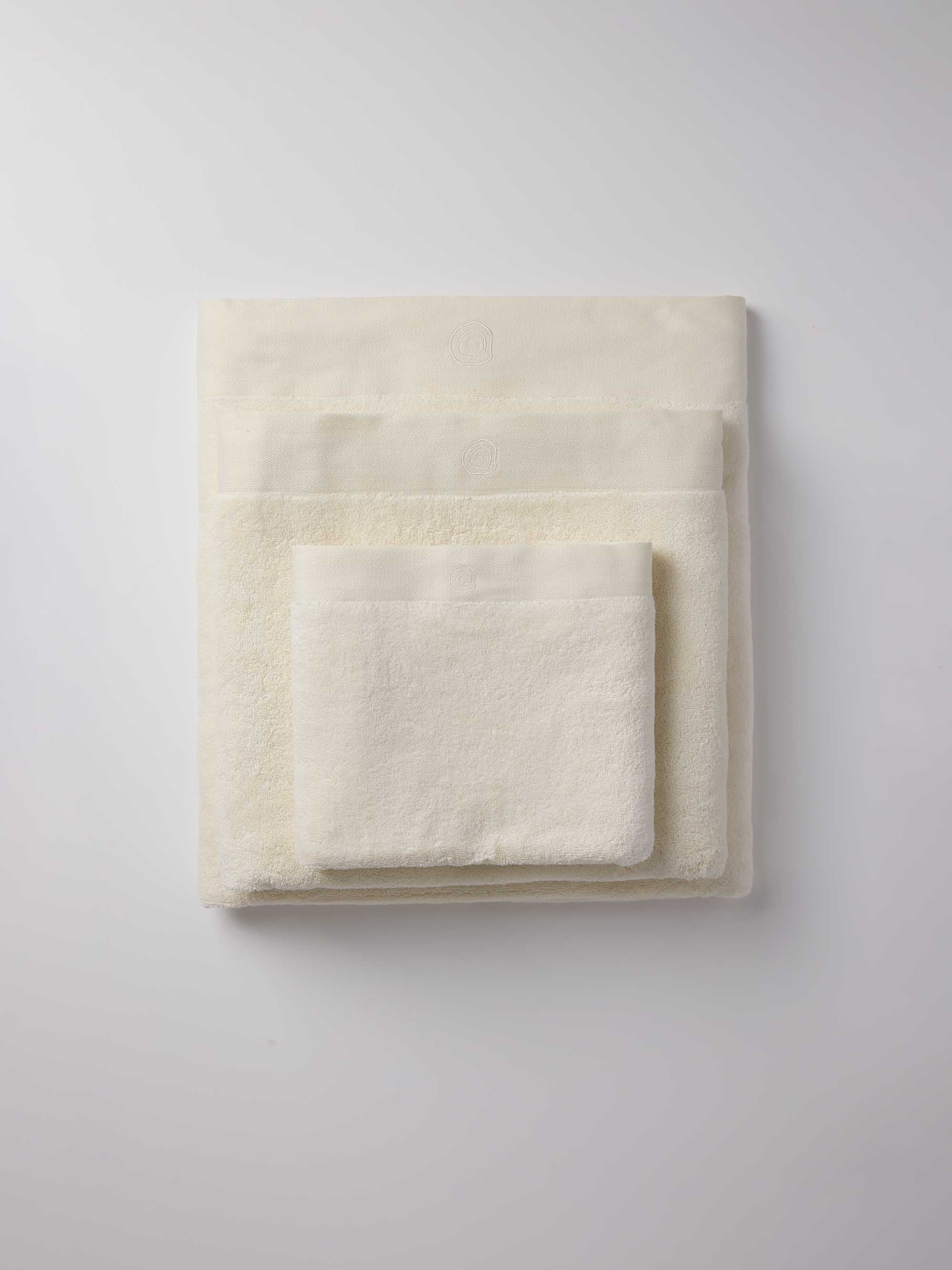
TAKEANAP's bamboo zero twist towels are woven at 600 GSM — a deliberate choice that places them at the top of the usable luxury range without the drying-speed penalty of ultra-heavyweight options.
OEKO-TEX Certification
OEKO-TEX Standard 100 certification means every component of the towel — fiber, dye, thread, finishing chemicals — has been tested and confirmed free from harmful substances. For bath textiles that contact skin directly, this certification matters. Look for it on the product label or listing.
Bamboo Composition
Some towels marketed as "bamboo" are only partially bamboo — the remaining percentage is often polyester or low-grade cotton. Check the fabric composition. For zero twist bamboo towels, you want at least 70% bamboo fiber; 100% bamboo or a bamboo-cotton blend at 80%+ is ideal.
The First Wash Test
Zero twist towels contain a water-soluble binding agent in their construction that dissolves on the first wash, releasing the full softness of the pile. If you buy genuine zero twist bamboo towels and they don't immediately get noticeably softer and more absorbent after the first wash — that's a quality signal worth noting. Good zero twist towels should feel markedly different, better, after washing.
How to Care for Bamboo Zero Twist Towels
Bamboo zero twist towels are easy to maintain, but a few care habits will protect their softness over the long term.
Wash cool or warm, not hot. High temperatures can break down bamboo fibers over time. 30–40°C (86–104°F) is ideal for regular washing.
Skip the fabric softener. Fabric softener coats fibers with a waxy residue that actually reduces absorbency. Bamboo zero twist towels don't need it — their softness is structural, not chemical.
Tumble dry low or line dry. High heat in the dryer can stress the fiber. Low heat or air drying preserves the pile's natural loft longest.
Wash before first use. This step activates the full zero twist structure. One warm wash before first use is all it takes.
Cared for properly, a good set of bamboo zero twist towels should remain noticeably softer and more absorbent than conventional alternatives for years — not months.
Frequently Asked Questions
What is zero twist technology in towels?
Zero twist technology refers to a weaving method where fibers are not twisted before being looped into the towel pile. Instead, a temporary water-soluble yarn holds the fibers in place during weaving and dissolves after the first wash. The result is an uncompressed fiber structure with greater surface area, softer feel, and better moisture absorption.
Are bamboo towels actually softer than cotton?
Yes — bamboo fibers are naturally smoother at a fiber level than cotton, with no microscopic rough edges. When combined with zero twist weaving, the result is a towel that is measurably softer than standard cotton and comparable to the finest Egyptian cotton, but with better drying performance and natural antibacterial properties.
How long do bamboo zero twist towels last?
With proper care (cool wash, no fabric softener, low-heat drying), bamboo zero twist towels typically maintain their softness and absorbency for 3–5 years of regular use — often longer than conventional cotton towels, which tend to stiffen over time.
Is 600 GSM good for a bath towel?
Yes. 600 GSM is considered the upper end of the luxury tier — substantial enough to feel hotel-grade, but not so heavy that it dries slowly on a bathroom rail. It represents the optimal balance of weight, absorbency, and practicality for everyday use.
Are bamboo towels suitable for sensitive skin?
Bamboo fibers are hypoallergenic and naturally free from the rough texture that aggravates sensitive skin conditions. Combined with OEKO-TEX certification (which confirms the absence of harmful chemicals in dyes and finishes), bamboo zero twist towels are an excellent choice for eczema-prone or reactive skin.
The Bottom Line
Zero twist technology addresses the single biggest flaw in conventional towel manufacturing: compressed fibers that reduce absorbency and soften poorly over time. Combine that weave method with bamboo fiber — naturally soft, antibacterial, and temperature-regulating — and you arrive at a bath towel that works better on day one and continues to improve with washing.
If you're still reaching for a rough cotton towel out of habit, a 600 GSM bamboo zero twist towel is one of the more meaningful upgrades you can make to your daily routine.
Explore the TAKEANAP bamboo zero twist towel collection — woven at 600 GSM, OEKO-TEX certified, and available in a range of colors to suit any bathroom.